

Zea mays
Cornsilk
Poaceae
Identity
- Common Name
- Cornsilk
- Scientific Name
- Zea mays
- Botanical Family
- Poaceae
- Native Region
- Mesoamerica (cultivated worldwide)
- Cultivation Regions
- Worldwide (wherever maize is grown)
- Plant Parts Used
- Stigmas/Styles (silk)
- Synonyms
- Maize Silk, Indian Corn Silk, Stigma Maydis
- Caffeine Level
- Caffeine Free
The fine, pale, thread-like silky strands (styles) that stream from the tip of an ear of corn (maize), gathered fresh or dried; the rest of the plant is the familiar tall grass with ears of grain.
Historical Background
Cornsilk has been a gentle urinary-tract remedy of Indigenous American peoples since maize was first cultivated, later carried worldwide as the crop spread. Its soft, silky strands are brewed into a mild, slightly sweet tea traditionally used for water balance and urinary comfort.
Earliest recorded uses: Indigenous American (Aztec, Maya, Native American) use as a gentle urinary tea; adopted into global folk medicine after maize spread worldwide.
Traditional preparations:
- Fresh or dried silk infusion
- Urinary blend with marshmallow & uva ursi
- Iced cornsilk tea
Traditional Uses
These uses document historical traditions and do not imply proven effectiveness.
Mexican & Maya Traditions
Gentle urinary-tract and water-balance tea.
Modern Herbalism
Gentle urinary and mild soothing tea.
Flavor & Aroma
Aroma: Mild, sweet, grassy, slightly green
Tea Information
Safety & Cautions
Research Summary
Cornsilk has a long tradition as a gentle urinary and mild diuretic tea. Clinical evidence is insufficient; preclinical work suggests mild diuretic and anti-inflammatory activity, but it is not a treatment for UTI, edema, kidney stones, or any disease.
Evidence levels reflect the currently available scientific literature and may change as new research emerges. Where evidence is limited or conflicting, this is stated plainly.
References & Sources
Related Herbs

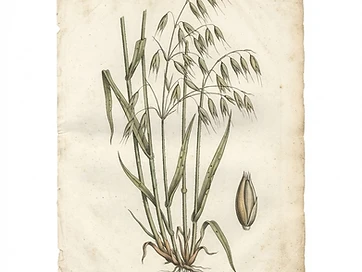
Avena sativa
Oatstraw
Poaceae
Mild, sweet, hay-like, green


Cymbopogon citratus
Lemongrass
Poaceae
Bright, lemony, fresh, grassy


Elymus repens
Couch Grass
Poaceae
Fresh, hay-like, green