

Trichilia catigua
Catuaba
Meliaceae
Identity
- Common Name
- Catuaba
- Scientific Name
- Trichilia catigua
- Botanical Family
- Meliaceae
- Native Region
- Brazil (Amazon and Atlantic forests)
- Cultivation Regions
- Brazil
- Plant Parts Used
- Bark
- Synonyms
- Catuaba Bark, Caramuru
- Caffeine Level
- Caffeine Free
A tropical tree bearing pinnate compound leaves and sprays of small cream flowers, with a rough bark long used in Brazilian folk tonics. (Several species are traded as 'catuaba'.)
Historical Background
A celebrated Brazilian folk tonic for vitality and libido, catuaba bark has been used for generations in Tupi and broader Brazilian tradition as a strengthening aphrodisiac.
Earliest recorded uses: Libido, nervous exhaustion, and general vitality in Brazilian folk medicine.
Cultural significance: Featured in Brazilian aphrodisiac tonics and the song of the Tupi: 'for the son of the Tupi, catuaba is good.'
Indigenous
Tupi peoples use catuaba bark as a vitality tonic.
Modern
Adopted into Brazilian herbal tonics and exported supplements.
Traditional preparations:
- Bark decoction
- Tincture
Traditional Uses
These uses document historical traditions and do not imply proven effectiveness.
African Traditions (Brazilian folk)
Bark decoction as a warming tonic for libido and nervous fatigue.
Indigenous Traditions
Used by Tupi peoples for vitality and sexual health.
Flavor & Aroma
Aroma: Earthy, bittersweet bark
Tea Information
Safety & Cautions
Research Summary
Used almost entirely on traditional grounds; limited laboratory study of alkaloids and flavolignans. Clinical evidence is lacking.
Evidence levels reflect the currently available scientific literature and may change as new research emerges. Where evidence is limited or conflicting, this is stated plainly.
References & Sources
References & Sources
- WHO · WHO Monographs on Selected Medicinal Plants (various)
Related Herbs

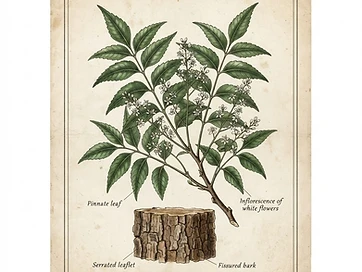
Azadirachta indica
Neem
Meliaceae
Bitter, strong, sulfur-like, herbaceous

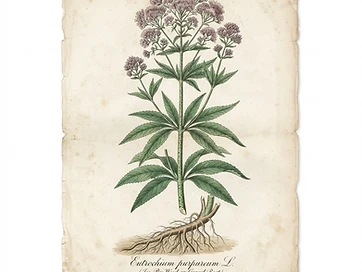
Eutrochium purpureum
Gravel Root
Asteraceae
Faint, hay-like, earthy


Hydrangea arborescens
Hydrangea Root
Hydrangeaceae
Mild, earthy, rooty