
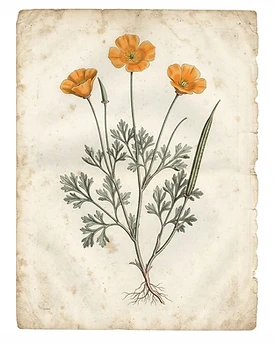
Eschscholzia californica
California Poppy
Papaveraceae
Identity
- Common Name
- California Poppy
- Scientific Name
- Eschscholzia californica
- Botanical Family
- Papaveraceae
- Native Region
- Western North America
- Cultivation Regions
- Western North America, Europe (ornamental)
- Plant Parts Used
- Aerial parts, Root
- Synonyms
- Copa de Oro, Golden Poppy, Cup of Gold
- Caffeine Level
- Caffeine Free
A slender annual or perennial with finely divided grey-green leaves and cup-shaped four-petalled bright orange to yellow flowers on long stalks, followed by long slender seed pods.
Historical Background
California's state flower, the California poppy has been used by Indigenous peoples of western North America as a gentle, non-narcotic relaxing herb for restlessness and troubled sleep. Unlike its opium-poppy relatives, it is a milder nervine with a long folk tradition.
Earliest recorded uses: Native American (especially California Indian) traditions as a gentle sedative and pain herb.
Traditional preparations:
- Aerial-part infusion
- Nervine sleep blend
- Tincture (off-tea)
Traditional Uses
These uses document historical traditions and do not imply proven effectiveness.
Native American Traditions
Gentle sedative for restlessness, sleep, and mild pain; non-narcotic nervine.
Modern Herbalism
Relaxing nervine for children and adults; sleep support.
Flavor & Aroma
Aroma: Mild, floral, green, slightly sweet
Tea Information
Safety & Cautions
Research Summary
California poppy has a folk tradition as a gentle sedative for sleep and nervous tension. Clinical evidence is insufficient; a few small trials and preclinical studies suggest mild relaxing effects, but it is not a treatment for insomnia, anxiety, or pain.
Evidence levels reflect the currently available scientific literature and may change as new research emerges. Where evidence is limited or conflicting, this is stated plainly.
References & Sources
Related Herbs

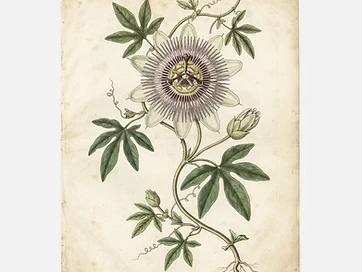
Passiflora incarnata
Passionflower
Passifloraceae
Fresh, green, mild

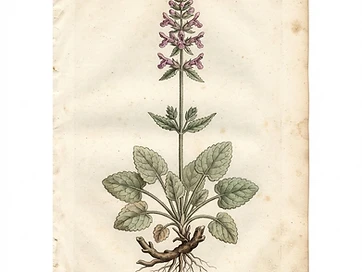
Stachys officinalis
Wood Betony
Lamiaceae
Mild, herbal, slightly bitter, green

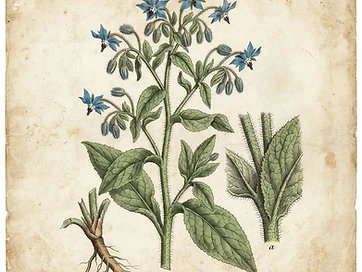
Borago officinalis
Borage
Boraginaceae
Mild, slightly cucumber-like, green, floral