

Nymphaea caerulea
Blue Lotus
Nymphaeaceae
Identity
- Common Name
- Blue Lotus
- Scientific Name
- Nymphaea caerulea
- Botanical Family
- Nymphaeaceae
- Native Region
- Nile region and South Asia
- Cultivation Regions
- Nile region, South Asia, tropics
- Plant Parts Used
- Flowers
- Synonyms
- Blue Water Lily, Egyptian Lotus, Sacred Blue Lily
- Caffeine Level
- Caffeine Free
An aquatic plant with broad round notched green leaves floating on the water and large showy star-shaped sky-blue pointed flowers with a golden center; the flowers are used.
Historical Background
Blue lotus was a sacred flower of ancient Egypt, associated with the sun, rebirth, and ritual, and steeped into a mildly relaxing tea for ceremony and contemplation. Revered along the Nile for millennia, it brews a gentle, fragrant, caffeine-free cup tied to calm and dream traditions.
Earliest recorded uses: Ancient Egyptian and Mayan traditions for millennia; a sacred ritual and mildly relaxing flower tea.
Traditional preparations:
- Flower infusion
- Ritual contemplation tea
- Relaxing evening cup
Traditional Uses
These uses document historical traditions and do not imply proven effectiveness.
Ancient Egyptian Traditions
Sacred ritual flower of rebirth and calm.
Modern Herbalism
Mildly relaxing ceremonial tea.
Flavor & Aroma
Aroma: Floral, green, slightly sweet, earthy
Tea Information
Safety & Cautions
Research Summary
Blue lotus has a tradition as a calming, mildly euphoriant ritual tea; preclinical work suggests mild sedative and antioxidant activity from aporphine alkaloids. Clinical evidence is insufficient; it is not a treatment for anxiety, insomnia, or any disease, and its historical ritual and psychoactive reputation warrants cautious, mindful use.
Evidence levels reflect the currently available scientific literature and may change as new research emerges. Where evidence is limited or conflicting, this is stated plainly.
References & Sources
Related Herbs


Convolvulus pluricaulis
Shankhpushpi
Convolvulaceae
Mild, green, slightly sweet, herbaceous


Clitoria ternatea
Butterfly Pea
Fabaceae
Earthy, floral, mild, green

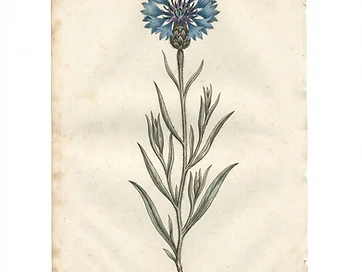
Centaurea cyanus
Cornflower
Asteraceae
Floral, mild, slightly sweet, green