


Aloe barbadensis miller
Aloe Vera
Asphodelaceae
Identity
- Common Name
- Aloe Vera
- Scientific Name
- Aloe barbadensis miller
- Botanical Family
- Asphodelaceae
- Native Region
- Arabian Peninsula (cultivated worldwide)
- Cultivation Regions
- Mexico, India, Caribbean, Mediterranean, worldwide
- Plant Parts Used
- Inner leaf gel
- Synonyms
- Aloe Barbadensis, True Aloe, Lily of the Desert
- Caffeine Level
- Caffeine Free
A succulent rosette with thick fleshy grey-green serrated lance leaves, a tall spike of tubular yellow-orange flowers, and a clear mucilaginous gel inside the leaves; the inner leaf gel is the part used.
Historical Background
Aloe vera has been a revered plant of Egyptian, Sumerian, Greek, and Ayurvedic medicine for millennia, used for skin and digestive comfort. The clear inner gel — distinct from the bitter laxative latex — is blended into soothing drinks and tonics across cultures.
Earliest recorded uses: Ancient Egyptian, Sumerian, Greek, and Ayurvedic use for millennia; a prized skin and digestive plant.
Traditional preparations:
- Fresh inner gel drink
- Aloe & mint cooler
- Soothing digestive tonic
Traditional Uses
These uses document historical traditions and do not imply proven effectiveness.
Ancient Traditions
Skin, burn, and digestive soothing; sacred plant of Egypt.
Modern Herbalism
Soothing digestive and skin tonic (inner gel only).
Flavor & Aroma
Aroma: Mild, green, slightly vegetal, clean
Tea Information
Safety & Cautions
Research Summary
Aloe vera gel has a long tradition for skin and digestive soothing. Clinical evidence is limited and mixed; the inner gel is generally safe, but the whole-leaf latex is unsafe for internal use. It is not a treatment for diabetes, IBD, burns, or any disease.
Evidence levels reflect the currently available scientific literature and may change as new research emerges. Where evidence is limited or conflicting, this is stated plainly.
References & Sources
Related Herbs


Stellaria media
Chickweed
Caryophyllaceae
Mild, fresh, green, slightly earthy


Nelumbo nucifera
Sacred Lotus
Nelumbonaceae
Mild, slightly sweet, green, earthy

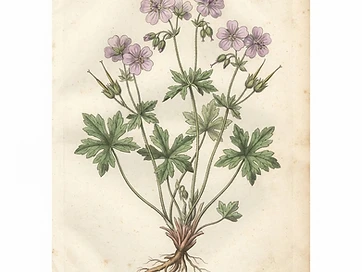
Geranium maculatum
Cranesbill
Geraniaceae
Mild, slightly astringent, green, floral