

Cola nitida
Kola Nut
Malvaceae
Identity
- Common Name
- Kola Nut
- Scientific Name
- Cola nitida
- Botanical Family
- Malvaceae
- Native Region
- West Africa
- Plant Parts Used
- Seed (nut)
- Caffeine Level
- High
An evergreen tree growing up to 20 meters, bearing star-shaped pods that split open to reveal several flattened, chestnut-colored seeds (kola nuts).
Historical Background
Kola nuts were prized across West Africa as a stimulant, social gift, and ceremonial offering. They became a global trade item and were an original flavoring in early cola beverages.
Earliest recorded uses: Chewed in West African cultures for centuries; documented by Arab and European traders from the medieval period onward.
Cultural significance: Kola nuts symbolize hospitality, friendship, and social bonding in many West African communities and are used in weddings, negotiations, and rites.
Traditional preparations:
- Chewed fresh
- Dried and ground into powder for infusion
- Decoction of sliced nuts
Traditional Uses
These uses document historical traditions and do not imply proven effectiveness.
West African culture
Chewed to reduce hunger and fatigue and offered to guests as a gesture of welcome.
Historical beverage
Used to flavor early cola and tonic drinks.
Flavor & Aroma
Aroma: Earthy, mildly nutty
Tea Information
Safety & Cautions
Research Summary
Effects are primarily attributable to caffeine and theobromine; traditional energizing uses are consistent with its stimulant content.
Evidence levels reflect the currently available scientific literature and may change as new research emerges. Where evidence is limited or conflicting, this is stated plainly.
References & Sources
Related Herbs


Theobroma cacao
Cacao
Malvaceae
Rich, chocolate, earthy, slightly bitter


Malva sylvestris
Mallow
Malvaceae
Mild, green, slightly sweet, mucilaginous

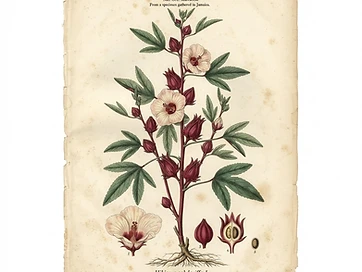
Hibiscus sabdariffa
Hibiscus
Malvaceae
Crisp, fruity, cranberry-like