
Helichrysum italicum
Helichrysum
Asteraceae
Identity
- Common Name
- Helichrysum
- Scientific Name
- Helichrysum italicum
- Botanical Family
- Asteraceae
- Native Region
- Mediterranean region, especially the Dalmatian coast and Corsica
- Plant Parts Used
- Flowering tops
- Caffeine Level
- None
A woody subshrub with silvery, needle-like leaves and clusters of small, bright yellow flowers that retain their color when dried, hence the name 'immortelle'.
Historical Background
Helichrysum has been gathered across the Mediterranean for its fragrant, curry-scented flowers and was woven into arrangements and used in folk remedies.
Earliest recorded uses: Documented in European herbals; long used in Mediterranean and Adriatic coastal folk medicine.
Cultural significance: Symbolic of eternity due to its long-lasting flowers; valued in perfumery and skin care.
Traditional preparations:
- Flower infusion
- Floral oil maceration
- Essential oil (external)
Traditional Uses
These uses document historical traditions and do not imply proven effectiveness.
Mediterranean folk medicine
Infusions used for digestive comfort, respiratory support, and skin care.
Flavor & Aroma
Aroma: Sweet, honeyed, spicy, reminiscent of curry
Tea Information
Safety & Cautions
Research Summary
Contains phloroglucinols and flavonoids with anti-inflammatory and antimicrobial activity in vitro; human trials are few.
Evidence levels reflect the currently available scientific literature and may change as new research emerges. Where evidence is limited or conflicting, this is stated plainly.
References & Sources
Related Herbs


Inula helenium
Elecampane
Asteraceae
Pungent, earthy, aromatic

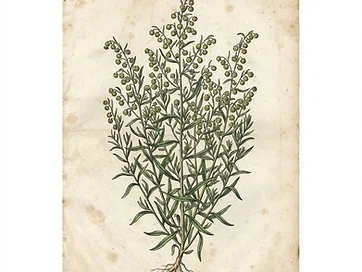
Artemisia dracunculus
Tarragon
Asteraceae
Anise-like, warm, herbaceous, slightly bittersweet


Tussilago farfara
Coltsfoot
Asteraceae
Mild, slightly sweet, herbaceous, honeyed