


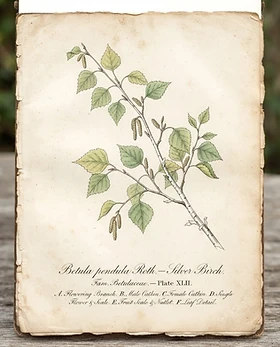
Betula pendula
Birch Leaf
Betulaceae
Identity
- Common Name
- Birch Leaf
- Scientific Name
- Betula pendula
- Botanical Family
- Betulaceae
- Native Region
- Europe and northern Asia
- Cultivation Regions
- Europe, Northern Asia, temperate regions
- Plant Parts Used
- Leaves
- Synonyms
- Silver Birch, European White Birch
- Caffeine Level
- Caffeine Free
A deciduous tree with characteristic peeling papery white bark and small rhombic serrated leaves on slender drooping branches; the leaves are used.
Historical Background
Birch leaf has been a European and Northern Asian spring herb for centuries, sipped as a gentle diuretic and 'cleansing' tonic after winter. Its fresh, lightly wintergreen-flavored leaves brew a clean, caffeine-free cup in traditional spring cleansing practice.
Earliest recorded uses: European and Northern Asian traditions for centuries; a spring 'cleansing' and diuretic leaf tea.
Traditional preparations:
- Leaf infusion
- Spring cleansing tonic
- Joint tea blend
Traditional Uses
These uses document historical traditions and do not imply proven effectiveness.
European Folk Traditions
Spring diuretic and 'cleansing' tonic.
Modern Herbalism
Gentle joint and antioxidant cup.
Flavor & Aroma
Aroma: Fresh, green, slightly wintergreen, clean
Tea Information
Safety & Cautions
Research Summary
Birch leaf has a tradition as a gentle diuretic, joint, and 'cleansing' tea; preclinical work shows diuretic and anti-inflammatory activity from flavonoids. Clinical evidence is limited; it is not a treatment for arthritis, UTI, edema, or any disease, though it remains a clean, fresh spring cup.
Evidence levels reflect the currently available scientific literature and may change as new research emerges. Where evidence is limited or conflicting, this is stated plainly.
References & Sources
Related Herbs

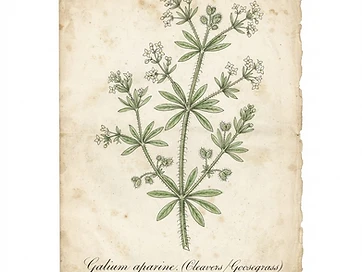
Galium aparine
Cleavers
Rubiaceae
Fresh, green, slightly grassy, mild


Backhousia citriodora
Lemon Myrtle
Myrtaceae
Intensely citrus-lemon, fresh, clean


Nasturtium officinale
Watercress
Brassicaceae
Peppery, fresh, green, slightly mustard-like