
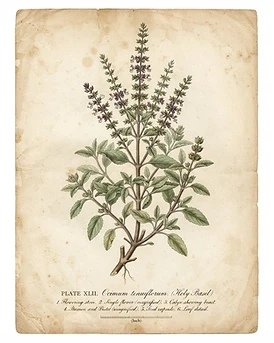
Ocimum tenuiflorum
Holy Basil (Tulsi)
Lamiaceae
Identity
- Common Name
- Holy Basil (Tulsi)
- Scientific Name
- Ocimum tenuiflorum
- Botanical Family
- Lamiaceae
- Native Region
- Indian subcontinent
- Cultivation Regions
- India, Southeast Asia, tropics
- Plant Parts Used
- Leaves, Flowering tops
- Synonyms
- Tulsi, Sacred Basil, Tulasi
- Caffeine Level
- Caffeine Free
An upright aromatic annual or short-lived perennial 30–60 cm tall with small oval, slightly toothed green (or purple-tinged) leaves and spikes of tiny tubular pink-purple flowers. Closely related to culinary basil but more pungent and peppery.
Historical Background
Tulsi ('the incomparable one') has been revered in Hindu tradition for thousands of years as a sacred plant of the goddess Lakshmi and a household protector. In Ayurveda it is a rasayana (rejuvenative) for the lungs, mind, and immunity, and daily tulsi tea is a widespread devotional and wellness practice.
Earliest recorded uses: Vedic and Ayurvedic texts; Charaka Samhita classifies tulsi among revered plants.
Cultural significance: Tulsi is grown in courtyards across India and worshipped daily; its name means 'the incomparable one.' Few herbs carry such deep living religious significance, bridging kitchen, temple, and clinic.
Traditional preparations:
- Leaf infusion (tea)
- Fresh leaves
- Honey + tulsi
Traditional Uses
These uses document historical traditions and do not imply proven effectiveness.
Ayurveda
Rejuvenative (rasayana) for the lungs, stress, and immunity; daily tea.
Modern Herbalism
Taken as an adaptogen for stress and general wellness.
Flavor & Aroma
Aroma: Spicy, peppery, clove-like, green
Tea Information
Safety & Cautions
Research Summary
Tulsi has a long Ayurvedic tradition as an adaptogen and respiratory herb. A number of small human trials suggest modest effects on stress markers and metabolic parameters, but evidence is limited and studies are small and heterogeneous. It is not a treatment for any disease.
Evidence levels reflect the currently available scientific literature and may change as new research emerges. Where evidence is limited or conflicting, this is stated plainly.
References & Sources
Related Herbs


Satureja hortensis
Savory
Lamiaceae
Warm, peppery, piney, herbaceous

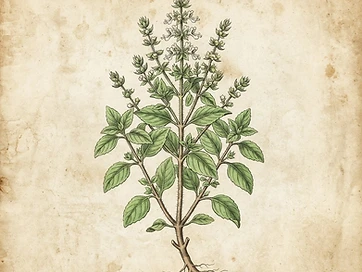
Ocimum basilicum
Sweet Basil
Lamiaceae
Sweet, peppery, herbaceous, slightly anise-like

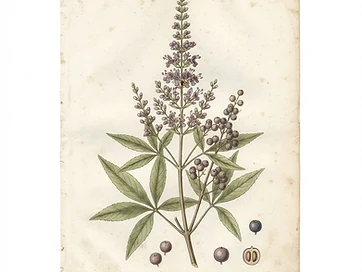
Vitex agnus-castus
Chasteberry (Vitex)
Lamiaceae
Peppery, slightly sweet, herbaceous